
Sexually Transmitted Infections (STIs) are more common than people think. They are any kind of bacterial or viral infection that can be passed on through unprotected sexual contact.

If they are left untreated they can cause problems in the future such as infertility problems in women and prostate and testicular problems in men. The tests are easy to perform and the treatments usually simple.

You should get tested:

  • after each new sexual partner 
  • even if you don’t have symptoms
  • annually if you are in a long term relationship
  • even if you use condoms 
  • to avoid passing on an STI and prevent any long term affects 

You may not have any symptoms and they can take weeks or months to develop. The symptoms differ depending on the STI- more details below

  • If you have a vulva, STI’s can present with a vaginal discharge, soreness, irregular bleeding or sometimes itching. Sex may become painful. Some infections can cause lumps, ulcers or blisters of the skin and pain on urinating. More serious infections may also cause abdominal pains and a high temperature.
  • If you have a penis you may find it painful to urinate or have a discharge from the tip. There may also be lumps, blisters or ulcers. More serious infections can cause testicular pain and swelling.

Other parts of the body can be affected such as throat, rectum and eye

  • throat- often no symptoms
  • rectum- anal discomfort and discharge
  • eye- redness, swelling, discharge, irritation
  • joints- pain and stiffness
  • skin- rashes

Choices have several ways to get tested for STIs: 

  • Make an appointment with a nurse – this includes a blood test 
  • STI self-test kits that can be picked up from our reception if you meet the criteria outlined in self-test kit question below. 

Self-tests for chlamydia and gonorrhoea are free for 16-24 year olds. They are available from our reception and you do not need an appointment. 

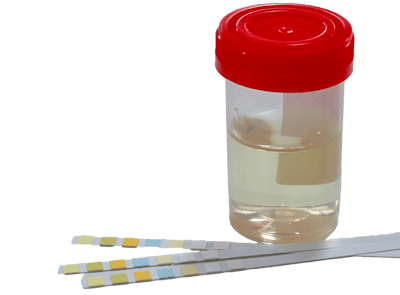
The test is a urine sample for men and either a self-taken vaginal swab or urine sample for women. The swab is more accurate than a urine test for women. Please ensure you have not passed urine in the past hour prior to collecting the sample. 

You must meet the following criteria: 

  • You don’t have any symptoms
  • You have not been a contact of someone with an STI
  • It has been more than 14 days since your latest sexual contact

If you don’t have any symptoms you will be offered

  • chlamydia and gonorrhoea testing and
  • a blood test for hepatitis and HIV and syphilis.

The chlamydia and gonorrhoea test is a urine sample for men and either a urine sample or self taken vaginal swab for women. The swab is more accurate than a urine test in women.

Transgender people will be offered appropriate tests for the genitalia that you have.

You must not have passed urine for 1 hour prior to collecting the urine sample.

If you have had oral or anal sex these sites will also need testing with a throat swab or a self taken anal swab.

If you have symptoms such as rashes, lumps, blisters, sores and/or vaginal discharge further testing may be required. 

OurThe TheWe aim to provide you with your results within 8 working days. Some tests can take longer, but we will discuss that with you in the appointment.

When you register at Choices you will be asked if you prefer to be contacted about your results by text or email. 

If you have not received your results within 8 working days, you can phone the clinic during our opening hours on 01481 714954.

This will depend on the STI. To find out more about treatments for specific STIs follow this link

The treatment for STIs is very effective. If you follow the instructions and take the treatment correctly, it should treat the infection. 

For certain infections, a repeat test to make sure the infection has cleared is recommended.

If you have been treated for chlamydia, we recommend you wait at least 5 weeks after completing treatment before a repeat test.

If your symptoms haven’t settled or you are worried you may have picked up another infection then please see contact Choices for further advice. 

If a partner has told you they have an STI, you should contact the clinic to make an appointment. 

You may not have any symptoms but it is still advisable to be tested.

You can protect yourself by doing the following: 

  • — Practicing safe sex and using a condom every time is the best advice
  • Regular testing after every new sexual partner
  • Seeking help and advice for any unusual signs and symptoms